

Now let’s get inspired!
Humanity has been living organically for almost all of its duration. There was no other way to live or to grow food. We observed and learned from the animals, which is how animals were first domesticated. Our relationships to our animals was intimate, as in they often lived with us. Examples include: in the lower floor, their body heat rising to the upper floor and warming the family, or animals actually living in the same dwelling. This was to thwart predators from running away with one’s chickens or new lambs.


We can be inspired by the fact that organic gardening is as simple as a pot or two on a window sill for fresh herbs, as easy as a 4X4 little lettuce, herb, and tomato bed, as right as the tomato you eat straight off the vine.
You want beauty, birds, hummingbird traffic, butterflies at your window? Easy. Plant a fruiting tree instead of a yew or evergreen (even a fruit that you might not eat such as crab apple or choke cherry). Let the edge of your yard go wild for butterflies – but first turn it with a pitch fork and cast wild flower seeds there. A little water in the evening for four or five days and the seeds will be good to grow. (Never water after 10 a.m. or through the day due to evaporation and thus the waste of the water, as well as burning of the plants as t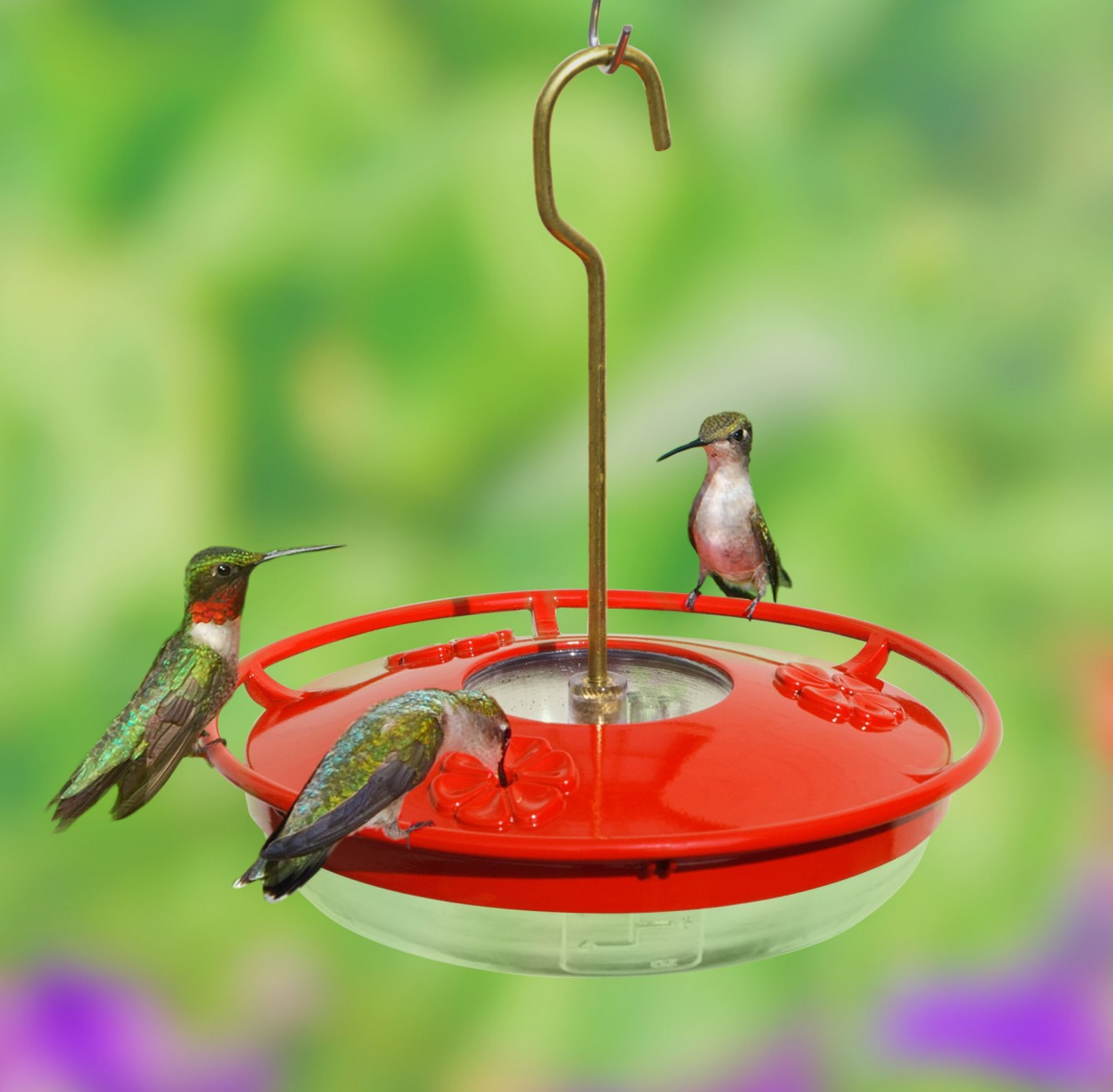


Inspiration also is in the fact that there are many people growing food sustainably, organically or pesticide-free. The trend to raise animals in the way that the animal thrives and serves the farm is growing. Joel Salatin is a great example and articulate practical guide for anyone interested. (Don’t let the hayseed look or Virginia drawl fool you. This man knows his science, animal husbandry, and is a business man making a significant annual income.) {the Joel Salatin video is a TED talk. 15 min.}
Be inspired, as well, knowing that YOU MATTER. Your choices matter to the farmers toughing it out – not not toughing it out with Nature but with agribusiness, their high paid lobbyists, back pocket senators and congressmen, and federal subsidies. In countries other than the USA, the tables are not so tilted. Therefore, your purchase of an organic fruit or vegetable, or free range or cage free animal product is good for you, good for the farmer, the picker, the soil, the water, the air, good for your children who you are feeding, good for their life of health, and the planet’s well-being.
Use local Farmer’s Markets. A google search will inform you where they are or use the Organic Consumers Association website (in the USA). It has a green/organic locator for food, restaurants, and businesses. Search by your zip code.
I
More videos
- Joel Salatin on Bloomberg (20 min)
- Dirt, the movie documentary (stream on Netflix) a must see!
- TED: How we can eat our landscapes (England)
- TED: A guerilla gardener in South Central LA
- Permaculture: Un veritable developpment durable


Pingback: Happy food? 5 | Blazing Light, Love's Song